
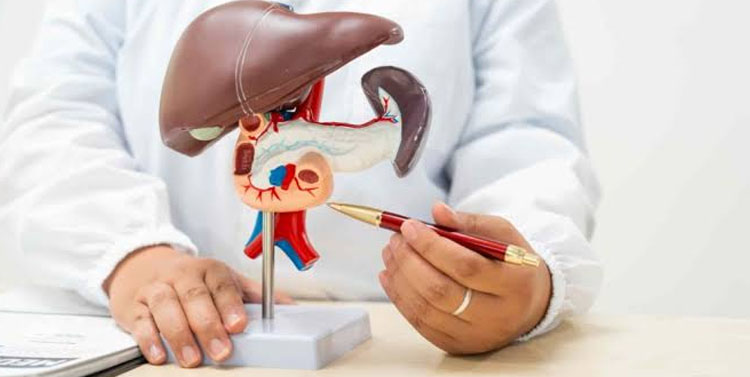
Can your liver be under stress even when you feel perfectly healthy? Liver disease can develop without obvious symptoms, making blood tests an important tool for identifying potential problems. This blog explains what a liver function test can reveal, who may benefit from one, and when abnormal results require further medical investigation.
How Does Your Liver Affect Your Overall Health?
Your liver does far more than process alcohol. It helps break down nutrients, produces bile for fat digestion, regulates blood clotting proteins, stores essential nutrients, and processes many medicines. It also converts certain waste products into forms your body can eliminate.
When liver cells become damaged or bile flow is disrupted, these processes may be affected. Fatty liver disease, viral hepatitis, alcohol related liver disease, and medication related liver injury can all affect the liver, sometimes before noticeable symptoms develop.
A liver function test in UAE can help identify blood test abnormalities that warrant medical attention. For people with relevant risk factors, it may be an important step towards investigating a potential problem before complications develop.
What Does a Liver Function Test Measure?
A liver function test (LFT) is a group of blood tests that measures enzymes, proteins, and substances associated with liver health. Each result provides different information.
Some assessments include prothrombin time or INR to evaluate blood clotting, which can provide additional information about the liver's ability to produce clotting factors.
An abnormal result does not automatically confirm liver disease. Likewise, normal enzyme levels do not exclude every liver condition. Your doctor may recommend additional blood tests, an ultrasound, or other investigations depending on your results and medical history.
Who Should Consider a Liver Function Test?
Not everyone needs routine liver testing. Your doctor can assess whether it is appropriate based on your symptoms, health history, risk factors, and medicines.
1. People at Risk of Fatty Liver Disease The risks of type 2 diabetes, excess body weight, high triglyceride levels, and others raise the risk of MASLD, which used to be called non-alcoholic fatty liver disease.
An examination could be among the tests, although a person’s normal liver enzymes would not rule out fatty liver or fibrosis. Your physician might suggest extra testing in some instances.
2. People With Possible Signs of Liver Problems
Fatigue, itching, abdominal pain, dark-coloured urine, or light-coloured stools might need to be evaluated medically. Jaundice of the skin or eyes needs immediate attention, especially when it occurs along with abdominal pain, fever, or confusion.
The liver function test can be used in evaluating these symptoms, although other tests might be necessary to determine their cause.
3. People Taking Certain Medicines
Some prescription medicines, over-the-counter products, and herbal supplements can affect the liver. Your healthcare provider may recommend baseline or follow-up testing for specific treatments, depending on the potential risk.
4. People With Existing Liver Conditions
People diagnosed with hepatitis, fatty liver disease, or other liver disorders may need repeat testing. Comparing results over time helps clinicians assess changes and decide whether further investigations or treatment adjustments are necessary.
How to Conduct a Liver Function Test in UAE?
If you are going to have a liver function test in the UAE, consult with your licensed health care provider in relation to your symptoms, medical history, and the reason why you would like to undertake such a test. Ensure you know what measurements the test measures, whether fasting is needed, when the results will be delivered, and whether the test includes an evaluation with a doctor.
Depending on the test conducted, preparation is different. You should follow the instructions of the laboratory, inform them about any medications or supplements you use, and don’t stop taking medication unless advised by the doctor.
When evaluating the results of your liver function test, you should consult with your doctor to find out the meaning of the abnormal values.
Take the Right Step for Your Liver Health
A liver function test can reveal abnormalities that deserve attention, help monitor an existing condition, and guide decisions about further investigation. Its value lies in understanding what the results mean for you, rather than simply checking whether your numbers fall within a reference range.
Concerned about your liver health or have risk factors that warrant investigation? Contact us today to discuss whether an LFT is appropriate for you. Ask about the tests included, preparation requirements, and the medical follow-up available to explain your results. An informed assessment can help identify the next steps your health may require.

 UAE
 Ethiopia


